Kamis, 17 Desember 2009

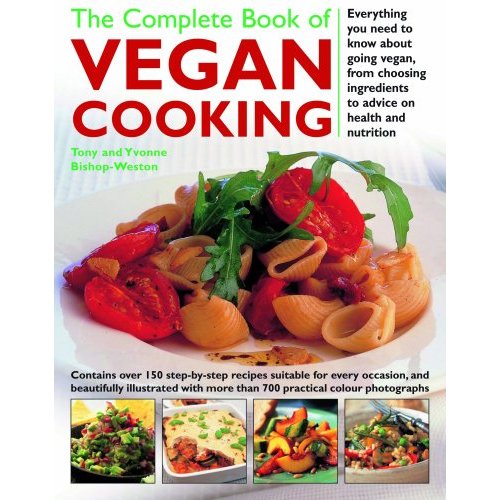
Must Have Cookbook This Christmas


Must have addition to a cookbook shelf : Formally the domain of eccentric celebrities, now polititions, business men such as Richard Branson, and mainstream health professionals are recognising the benefits of eating less meat for both optimal health and the environment.

It's getting to the stage where you'll soon be branded a food fascist or culinary racist if you can't provide a delicious and innovative healthy vegan dish at your restaurant.

The chance of a vegan guest at your Christmas celebration or dinner party is now greater than at any time in history - there has been a massive surge in interest in vegan diets and swanky new vegan restaurants such as Saf in London have helped to destroy preconceptions about limitations on cooking with plant foods.

If you are thinking "where do I start" then this cookbook is the book for you. If your friends are frightened by cooking without meat then this is the cookbook for them.

If you you are short of a Christmas Present for someone this cookbook may bring a sigh of relief to someone with a hole on their kitchen shelf.

Selasa, 08 Desember 2009

Alzheimer's Society + Bupa Research Funding


Alzheimer's Society and Bupa unite to improve lives of people with dementia - Alzheimer's Society

At last! Someone looking to address the serious lack of funding into Altzheimers - let's hope as much as possible goes towards research into preventative measures and protecting the brain rather than just all gobbled up by drug companies looking for a silver bullet that doesn't exist.

Neil Hunt, Chief Executive, Alzheimer's Society said,
'One in three people over 65 will die with dementia, the aim of this partnership with Bupa is to jointly seek new, beneficial initiatives for people with dementia and their carers.'
“Dementia research is seriously under-funded. Much more needs to be invested if we are to see the same advancements in dementia care and treatment as we have seen for cancer. By delaying the onset of dementia by just five years we could halve the number of deaths from the condition, saving 30,000 lives a year, but without progress in research the economic cost of the disease is likely to rise to £27 billion by 2018.”
More information on the £1.5m fund:

The closing date for applications is 28 February 2010. Grants would be awarded in line with guidelines issued by the Association of Medical Research Charities (AMRC).

The topics that may be considered for funding in the areas of cause, cure, care and prevention include:

• Epidemiology of all forms of dementia
• The causes of dementia and mechanism of disease progression
• The causal relationship between genetics and lifestyle factors predisposing people to dementia
• Prevention, diagnosis and treatment of dementia
• Slowing the progress of dementia
• Developing (non-embryonic) stem cell therapies with translational benefits for people with dementia
• Evidence for dietary supplements or complementary therapies as an alternative to drugs
• Improving Quality of life for people with dementia in their own homes or care homes
• How to best train staff in all health sectors, at all levels, in communicating with, understanding the needs of, and caring for people with dementia
• Management of anxiety, agitation and other behavioral symptoms, without the use of antipsychotic drugs
• The impact of acute hospitalization of people with dementia

For details on how to apply go to: www.bupafoundation.co.uk or www.alzheimers.org.uk/research

For more information contact:

Brett Lowther
BUPA Corporate Affairs
Tel: +44 (0)20 7656 2638
Email: lowtherb@bupa.com

Notes:
• One in three people over 65 will die with dementia
• Alzheimer’s Society research shows that 700,000 people in the UK have a form of dementia, more than half have Alzheimer’s disease. In less than 20 years nearly a million people will be living with dementia. This will soar to 1.7 million people by 2051.


Kamis, 03 Desember 2009

Spanish eggs blamed for salmonella restaurant outbreak | BigHospitality.co.uk

Spanish eggs blamed for salmonella restaurant outbreak | BigHospitality.co.uk

Eggs poison 150 - 2 deaths

A batch of Spanish eggs linked to an outbreak of salmonella in a number of restaurants and catering establishments, has sparked the Food Standards Agency (FSA) to warn caterers to cook their eggs properly.

Almost 150 cases of salmonella across England and Wales, including five hospitalisations and two deaths, are being linked to several restaurants and cafes who may have been using eggs sourced from an ‘approved establishment’ in Spain.

Kamis, 19 November 2009

Secret to Reduce Hospital Acquired Infections


Health4Media.com -

Yet more evidence that all you need is water to vastly improve the effectiveness of the National Health Service. So many patients are left water tantalisingly out of their reach.

The trouble is that from an operational point of view the last thing they want is bed bound patients going to the toilet regularly, the irony is that the patient could be sent home earlier getting well more quickly if they practiced patient centered medicine more often.

The results of the recent study in an NHS hospital showed:

20% reduction in time spent in hospital

97% reduction in dehydration

100% reduction in hospital acquired infections

"If these results were repeated across the NHS as a whole it would show a £5 Billion saving and a major increase in patient satisfaction with their care in hospital." say the manufacturers of a new contraption that makes water more accessable to patients in hospital.

Mainstream Medicine Catches on to Nutritionists Tools

probioticsProbiotics and health - Nutritionists have been using probiotics for many years to great effect (to relieve IBS, and other digestive problems and support the immune system) . Now mainstream medicine are finally catching on to the use of therapeutic strain probiotics as tool to treat patients digestive problems and counter the detrimental effects of anti-biotics.

Now a new scientific review by the British Nutrition Foundation (BNF), Probiotics and health – summing up the evidence, draws together complex probiotic research and shows accumulating evidence to support the health benefits of probiotics in some areas. The results of this review are a valuable tool for health professionals which will underpin consistent health advice.

The BNF has examined around 100 original research studies and reviews on probiotics and health. Sian Porter, spokeswoman for the British Dietetic Association says: “We welcome BNF’s efforts to bring together the evidence on probiotics and clear the confusion. This review is a useful, up-to-date resource for dietitians to support their evidence based advice on the use of probiotics for different health conditions, to both individuals and the public”.

A complex science
‘Probiotics’ is an extremely complex topic, and this often leads to consumers being exposed to conflicting advice. Dr Elisabeth Weichselbaum, Nutrition Scientist and author of the BNF review says: “Probiotics seem to work in a very strain specific manner - speaking about ‘probiotics’ in general may be as misleading as speaking about ‘pills’ and their effects on health. If a certain strain has been found to affect a certain health outcome, such as IBS, it would be misleading to state that ‘all probiotics’ are effective in relieving IBS symptoms.”

The BNF review shows that each single probiotic strain has to be tested for each single health outcome. To be effective, probiotics need to influence the balance of the human gut microflora. Probiotics must be able to survive their passage through the gastro-intestinal tract, be taken regularly, and in the right dose. Dr Weichselbaum adds: “Scientists are also now becoming increasingly aware that it is important to test whether the food or drink in which probiotics are given is an effective vehicle for delivering health benefits.”

Promise for irritable bowel syndrome
Between 3-25% of the population complains of the uncomfortable symptoms of irritable bowel syndrome (IBS), so it is no wonder that sufferers are interested in whether probiotics can help. Professor Glenn Gibson, Professor of Food Microbiology at the University of Reading, is optimistic: “The science shows promising results for the use of probiotics in IBS. The studies have looked at many different strains of bacteria but we need more studies to find out which strains are most effective, and to make sure any benefits found are not the result of a placebo effect.”

Established benefits for diarrhoea
The potential for probiotics to help in the prevention and treatment of diarrhoea has been widely studied.

Antibiotic-associated diarrhoea
Dr Weichselbaum says: “The prevention of antibiotic-associated diarrhoea has a good science-base for some probiotic strains. Two strains called S. boulardii and L. rhamnosus GG have been shown to cut the risk of antibiotic-associated diarrhoea by more than a half.”

Dr Mary Hickson, Imperial College Healthcare NHS Trust adds: “Certain strains of bacteria have good evidence to show they prevent antibiotic associated diarrhoea and Clostridium difficile diarrhoea. Providing products containing these strains to hospital patients may help to reduce these detrimental side effects and so reduce healthcare costs”.


Buy Probiotics

Rabu, 11 November 2009

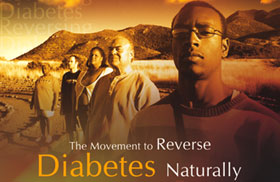
World Diabetes Day 14th November


A cure for Diabetes?

Take 6 people and reverse their diabetes just through Diet?

We live in a crazy world where many people consider Nutritionists to be like witch doctors - our faith in modern medicine is all consuming but "the facts", "the truth" doesn't add up to optimum health.

Drugs are killing people.

Processed food is killing people.

If you really want to get well then try this approach, if it doesn't work what have you got to lose? You'll still be on the drugs. You'll still be ill.

If it does work, with the supervision of your doctor you can gradually wean yourself off any drugs that you don't need any more.

Minggu, 08 November 2009

Childrens Health and Nutrition Findings


From the Daily Mail/Mail on Sunday

Experts agree that what children eat from birth to five years old matters even more than their diet later on in childhood. But many little ones are not getting the nutrition they need to support their rapid growth and development. Nutritional problems are common among this age group, including iron deficiency anaemia and deficiencies of vitamin A, D, B6, folate, calcium and zinc; constipation is widespread, as are dental caries.

Almost a quarter of UK pre-school children are overweight or obese, with about ten per cent underweight, according to paediatric dietician Judy More, writing in the Journal of Family Health Care.

Poor diet also has a marked effect on education. The ‘Children of the 90s’ longitudinal study by the Institute of Education at the University of Bristol, which is following more than 14,000 families with babies born between April 1991 and December 1992, showed that children who ate a diet of ‘junk’ food (high in fat and sugar, eg, crisps, sweets and fizzy drinks, highly processed food, and takeaways) at the age of three made poorer progress than average at school between the ages of six and ten.

This year, a survey of 1,000 parents by the Infant and Toddler Forum found nearly a third of under-threes eat at least one takeaway a week, and 19 per cent are given takeaways or adult ready meals every day. A staggering 20 per cent of babies aged nine to 12 months were given a takeaway once a week.

Read more: http://www.dailymail.co.uk/home/you/article-1225227/Health-notes-The-ABC-healthier-children.html#ixzz0WHxY6zTG

Kamis, 22 Oktober 2009

Before It's too late - Events, London

Family Fun Day Ethical Health &amp Sustainability Croydon South London London events gigs nightlife

Are you really stupid enough to miss this - one day only - Fairfield Halls Nov 1st - ethical cinema, HealthZone, Kids Space, Cookery demos

Our future is at stake - our future health, our future planet, our children's future - time is running out. What's your excuse for standing by and doing nothing?

The Age Of Stupid


at the eco veggie fayre

Senin, 19 Oktober 2009

Insurance Compaines Decieve America

The White House - Blog Post - Weekly Address: Taking the Insurance Companies on Down the Stretch

President Obama has the Health Insurance companies in his sights and he is taking them on head on . He doesn't mince his words in his latest address and he has the backing of big business who are realising that the American insurance companies will cost businesses commercial viability if insurance giants keep screwing everyone with their doubling premiums and gross profits and bonuses.

Obama accuses insurance companies of trying to kill reform at any cost risking unleashing havoc on the American economy as premiums double again over the next 10 years. President Obama reveals Health Insurers and their agents as deceptive, dishonest, misleading the American people, willfully ignoring the truth, having asked researchers to cook the evidence, creating smoke screens' producing bogus phony studies and bending the truth in their cynical political games.

At present there is no incentive for true 'health care' the profits are all in 'sick care'.

Obama seems committed to changing that.

True health insurance lies in the hands of nutritionists. It's by far the most cost effective investment for healthier living. The choice is yours invest in future sickness insurance or invest in optimal health assurance.

See Nutritionists London

Rabu, 14 Oktober 2009

Fish Don't Protect Against Heart Attacks


Fish Don't Protect Against Heart Attacks: Study
Intake of very long chain n-3 fatty acids from fis...[Eur J Heart Fail. 2009] - PubMed Result

In this study the author's claim no protection against heart attacks from eating fish. (Full text)

In a previous study it's claimed fish do have a protective effect on Atrial fibrillation although it differentiates between tuna, broiled or baked fish and fried fish or 'fish burgers'.

http://circ.ahajournals.org/cgi/content/abstract/110/4/368?etoc

It seems thus the key to confusion is the fat not the fish. As with studies on Flax oil, if it's pure and encapsulated it provides degrees of success - baked in muffins with fat and sugar it appears impotent.

It is logical that the high levels of saturated fats in fish, with any essential fats left to oxidise, laced with potential toxins from polluted oceans and unhealthy fats introduced through cooking may undermine any theraputic benefit of the EPA and DHA in fish.

The solution to balancing long chain essential fatty acid levels in the body which are undisputedly needed for the intergity of every cell membrane is perhaps best addressed by sustainably grown, unpolluted new strains of algae that can provide both pure EPA and DHA for theraputic use.

New plant oils such as Echium found to be far more effectively converted in the body into EPA than flax oil may also prove to be invaluable as the oceanic ecosystems are gradually destroyed by overfishing.

Echium Oil - Algae Oil - Fish Free Omega 3

Warning - Swine Flu H1N1 Vaccine Is Not Safe

Warning - Swine Flu H1N1 Vaccine Is Not Safe

More claims from health professionals that mercury laden flu vaccines are unsafe.

Senin, 12 Oktober 2009

Red meat again linked to cancer risk: Study

Red meat again linked to cancer risk: Study

Writing in the American Journal of Epidemiology, researchers from the National Cancer Institute report that high intake of red meat may increase the risk of prostate cancer by 12 per cent.

Furthermore, red meat may increase the risk of advanced prostate cancer by 30 per cent, wrote the researchers, led by Dr Rashmi Sinha from the Division of Cancer Epidemiology and Genetics.

The study adds to an ever increasing list of bad news for red and processed meat, following a previous study from the NCI that reported high intakes of red and processed meats may raise the risk of lung and colorectal cancer by up to 20 per cent.

The World Cancer Research Fund published a report in 2007 that directly linked diet to cancer, with alcohol and red and processed meats posing particular risks.

Earlier this year, the same authors published similar findings from a study with half a million people, noting that that increased consumption of red and processed meat may have a modestly increased risk of death from all causes and also from cancer or heart disease (Archives of Internal Medicine, Vol 169, pp. 562-571).

Selasa, 29 September 2009

Vitamin B12 Deficiencies in Meat Eaters

A typical criticism of vegetarian diets (usually from health professionals without practical hands-on experience in nutrition practice) is that vegetarians and vegans lack sufficient vitamin B12.

However in a recent study of diabetes ( a disease linked to meat and animal fat based diets) it seems that B12 deficiency in modern diets is of general concern.

Yvonne Bishop-Weston a leading UK Nutritionist says "In UK clinic I rarely find vegetarians with significant B12 and Iron deficiencies, they tend to be more aware of failings in our modern diets. More often than not meat eaters are lulled into a false sense of security that the Standard American Diet (SAD diet) of Meat, cheese and processed carbohydrates stripped of nutrients and fibre provides them with all the vitamins and minerals that they need"

We know the general population is short on iron it's seems they are likely to be low on Vitamin B12 too.

The prevalence of vitamin B(12) deficiency in pati...[J Am Board Fam Med. 2009 Sep-Oct] - PubMed Result: "Our results found a 22% prevalence of metabolically confirmed B(12) deficiency in the primary care type 2 diabetic population. Although further research needs to be performed to determine the clinical implications of our findings, B(12) deficiency should be considered in type 2 diabetic patients, especially those taking metformin. Furthermore, a daily multivitamin may protect against B(12) deficiency."

A seperate Swedish study showed that good quality B12 supplement taken sublingually (under the tongue) is as effective as injections. A regular sublingual Vitamin B12 supplement may be good health insurance for us all. Go to your Doctor and ask for a homocysteine blood test which is the most reliable way to date of testing for vitamin B12 deficiency

World Vegan Day - Vegan News

Jumat, 11 September 2009

Cannabinoids: potential anticancer agents.

Cannabinoids: potential anticancer agents. [Nat Rev Cancer. 2003] - PubMed Result

Key studies suggesting that active ingredients in some varieties of hemp may successfully inhibit the growth of cancerous growths has been universally ignored and buried by the media.

It's claimed hemp does this by modulating key cell-signalling pathways, thereby inducing direct growth arrest and death of tumor cells, as well as by inhibiting the growth of blood vessels that supply the tumor.

The Guzman study is very important according to Dr. Ethan Russo , a neurologist and world authority on medical cannabis:"Cancer occurs because cells become immortalized; they fail to heed normal signals to turn off growth. A normal function of remodelling in the body requires that cells die on cue. This is called apoptosis, or programmed cell death.

That process fails to work in tumors. THC promotes its reappearance so that gliomas, leukemias, melanomas and other cell types will in fact heed the signals, stop dividing, and die."

"But, that is not all," explains Dr. Russo: "The other way that tumors grow is by ensuring that they are nourished: they send out signals to promote angiogenesis, the growth of new blood vessels. Cannabinoids turn off these signals as well. It is truly incredible, and elegant."

The potential of Hemp as a treatment for cancer was proven in research dating back to 1974. Researchers at the Medical College of Virginia, who had been funded by the National Institutes of Health to find evidence that marijuana damages the immune system, found instead that THC slowed the growth of three kinds of cancer - lung and breast cancer, and a virus-induced leukemia.

A large scale human study by the Natural Health Industry is called for to investigate these findings

Rabu, 09 September 2009

Kate Moss Spotty Fashion

Worse for wear Kate Moss at Men of the Year awards | Mail Online

Croydon Girl Kate Moss seems to have come out in sympathy with her home town, the unhealthiest borough in London. Wearing this party seasons latest face it looks like she could do with the same advice dished out to Croydon Councilors today - have a 5 a day day!

Nutrition London

Selasa, 08 September 2009

Meat Free Day in Croydon Campaign

Meat Free Day in Croydon Campaign

A campaign starts 09/09/09
to try to sell the notion of a weekly meat free day in Croydon

Croydon councillors, restaurants, schools, PCTs, nurses, Doctors and teachers will be targeted by organisations from all over the UK in order to vegducate them about the benefits of eating less meat.

Senin, 07 September 2009

Research - broccoli - heart disease

Research reveals a broccoli boost for arteries

New British Heart Foundation (BHF) research from Imperial College London may have revealed why vegetables are good for the heart. The findings suggest that a chemical found in vegetables such as broccoli, cabbage and cauliflower, can boost a natural defence mechanism to protect arteries from disease.
Dr Paul Evans, from the National Heart and Lung Institute at Imperial College London, who led the research team, said: “We found that the innermost layer of cells at branches and bends of arteries lack the active form of Nrf2, which may explain why they are prone to inflammation and disease. Treatment with the natural compound sulforaphane reduced inflammation at the high-risk areas by 'switching on' Nrf2.
“Sulforaphane is found naturally in broccoli, so our next steps include testing whether simply eating broccoli, or other vegetables in their ‘family’, has the same protective effect. We also need to see if the compound can reduce the progression of disease in affected arteries.”

Live Web Chat - Nutritionist

Improve your diet to get pregnant :: Understanding Your Fertility :: Baby Expert

Live Chatroom on Baby Expert with London Nutritionist Yvonne Bishop-Weston - Mothers ask your questions for free.

Sponsored by First Response

Selasa, 25 Agustus 2009

Dangers of Weight Loss Diet Pills

diet pills - dangers - research
Diet Pills Can Cause Liver Damage!

News broke today of a new report on diet pills such as ALLI (the fat busting pill in the windows of almost every chemist and pharmacy in the UK) that suggests these miracle cure super magic bullet diet pills can increase the risk of liver damage.

The FDA (Food and Drug Administration) is investigating reports of liver damage in patients taking diet pills containing the chemical orlistat, an ingredient in the popular over-the-counter drug Alli and its prescription version Xenical says www.newsday.com

While the FDA has not sent out a public warning about the drug, it is looking at reports that 32 cases of serious liver damage have been identified from 1999 to 2008, including six cases of liver failure. All but two of the injuries occurred outside the United States.

"We estimate that since 1999, more than 11 million prescriptions have been dispensed, and we see 32 adverse events around the world. It's a fairly unusual occurrence [for a] very popular drug," an FDA spokeswoman said.

Orlistat blocks the intestines from absorbing fat when taken up to three times a day with meals. The FDA approved Xenical in 1999 for weight management in conjunction with a reduced-calorie diet. Alli, which contains half the dose of orlistat, was cleared for nonprescription use in 2007.

Both drugs are marketed by British drugmaker GlaxoSmithKline, though Xenical is manufactured by Swiss firm Roche.

The makers Glaxo Smithkline (GSK) have dismissed claims that the research proves diet pills such as Alli can cause liver damage, suggesting it's the fact that people are fat that makes them more prone to liver problems, not their miracle diet pills that they say can help fatties lose an extra 1lb a week - 3lb of weight loss per week instead of 2lb weight loss.

London Nutritionist
Yvonne Bishop-Weston says "We were invited to help publicise these diet pills when they were first launched but we refused. We are opposed to them - they encourage the notion that people can eat the same unhealthy food and just take a diet pill to stop fat being absorbed into the body. These diet pills also perpetuate the myth that all fat is bad. Some fats are essential. It's too much saturated animal fat and processed vegetable fat in our diets that is the problem. Meanwhile many people actually have a shortage of the essential omega 3 fats and EPA which is needed for the healthy integrity of every cell membrane in the body and especially the body's vital organs such as the brain."

"Don't take these pills - eat more healthily, eat essential nutrient dense food rather than just belly enhancing calorie dense food" is the Nutritionist's message.

Senin, 17 Agustus 2009

Pesticides in your peaches

fruit, peaches, pesticides, organic
Pesticides in your peaches: Tribune and USDA studies find pesticides, some in excess of EPA rules, in the fragrant fruit -- chicagotribune.com:

Yet more evidence supporting the logic in extra costs of Organic produce

Preliminary 2008 U.S. Department of Agriculture tests obtained by the Chicago Tribune show that more than 50 pesticide compounds showed up on domestic and imported peaches headed for U.S. stores. Five of the compounds exceeded the limits set by the Environmental Protection Agency, and six of the pesticide compounds present are not approved for use on peaches in the United States.

These are the types of findings that have landed peaches on one environmental group's "Dirty Dozen" list -- 12 fruits and vegetables that retain the highest levels of pesticide residues -- and give many consumers pause as they shop grocery aisles. It seems that peaches' delicate constitutions, fuzzy skins and susceptibility to mold and pests cause them to both need and retain pesticides at impressive rates.

Although some pesticides in peaches were found at levels well below EPA tolerances, some scientists and activists remain concerned about even low-level exposure, especially to pregnant women and children. They point to studies, for example, that show cognitive impairment after dietary exposure to chlorpyfiros, a pesticide that showed up in 17 percent of conventional peaches tested by the USDA.

Selasa, 11 Agustus 2009

The Royal Society of Medicine - Events

Royal Society of Medicine event
The Royal Society of Medicine- RSM events - Academic

Nutrition pre-pregnancy birth and beyond - Windows of opportunity
Organiser: Food & Health Forum
Date: Thursday 1 October 2009| Venue: Royal Society of Medicine
More information

Chaired by Dr Marilyn Glenville, President of the Food & Health Forum, Royal Society of Medicine

Rabu, 05 Agustus 2009

Deet bug repellent 'toxic worry'

BBC NEWS | Health | Deet bug repellent toxic worry

deet free natural insect repellent

Health expert Yvonne Bishop-Weston Nutritionist London says "The issue is not so much whether this particular toxin is dangerous but how it interacts in human body the with the cumulative cocktail of toxins in our modern lifestyles. There's little actual scientific proof that individually they affect our fertility and nervous systems or have an effect on escalating cancer rates but it's basic common sense to avoid these toxins where possible. The residues from non organic food we eat, the water we drink, cosmetics we use and the chemicals used in our workplace and at home all add up. It's good living assurance advice as opposed to ill-health insurance. Look for Deet Free Alternative Insect Repellents!"

The study reported by the BBC in the open access journal BioMed Central Biology shows deet works in the same way as paralysing nerve gases used in warfare.

Deet (N,N-diethyl-meta-toluamide) was developed by the US Army in 1946 following its experience of jungle warfare during the second world war, then registered for use by the general public in 1957.Deet has been in use for decades and is found in most of the commonly used repellents to ward off mosquitoes.

About 200 million people use deet-based repellents every year and over 8 billion doses have been applied over the past 50 years.

The researchers also found that deet interacts with carbamate insecticides, used in agriculture, increasing their toxicity.

In research deet blocked an enzyme called acetylcholinesterase, whose job is to control one of the main chemical messengers used by the nervous system.
Buy Now.
DEET FREE insect Repellent

Jumat, 31 Juli 2009

Organic Foods - TheTruth on Health

organic food- truth about health and the Food Standards Agency ReportSoil Association response to the Food Standards Agency's Organic Review

I'm still at a loss at how the FSA reached their decision when you read their report carefully, despite the biased nature of the report, it still manages to identify major benefits of organic foods.

Obviously a major concern amongst consumers buying organic is to avoid xenoestrogens, toxins and other potential residue contaminants in conventional crops

The FoodStandard's Agency study on Organic Foods admits

1. This review does not address contaminant content (such as herbicide, pesticide and fungicide residues) of organically and conventionally produced foodstuffs.


It is well proven that (most probably due to modern conventional farming and harvesting methods) average nutrient levels in food have reduced in recent years. It's suspected that the McCance and Widdowson data that nutritionists use could be hopelessly out of date for use as a therapeutic tool. Despite this studies as early as 1958 have been used by the FSA in the meta study.

The FSA study on Organic Food admits

2. Based on 162 relevant articles published, in peer-reviewed journals since 1st January 1958

The FSA meta study did find differences in important nutrient values The FSA study on Organic Food admits

3. Significant differences in content between organically and conventionally produced crops were found in some minerals (nitrogen higher in conventional crops; magnesium and zinc higher in organic crops),phytochemicals (phenolic compounds and flavonoids higher in organic crops)

London Nutritionist Yvonne Bishop-Weston says "We have many clients in clinic displaying symptoms of magnesium deficiency and Zinc is very important for helping with infertility problems which are on the increase. It's been shown anti oxidants such as flavonoids have an important role to play in protecting the body. It's misleading for the FSA to suggest food with higher amounts of these nutrients is of 'no importance' for optimal health."

In adition to disqualifying a major new EU study on organic foods the FSA also admits

4. Studies were also disqualified from inclusion if they were primarily concerned with non-nutrient contaminant content (cadmium, lead and mercury)

Kamis, 23 Juli 2009

Female drivers are skipping meals, driving on an empty stomach

yvonne nutritionist, Niki Sheilas wheels talking healthy diets for safer drivers on UK radio
Female drivers are skipping meals and driving on an empty stomach | Sheilas' Wheels

Can a better diet help your concentration and mood? Nutritionist, London Yvonne Bishop-Weston says "yes"

Yvonne is on the Radio today talking about how better nutrition can help you be a safer more considerate driver.

Jumat, 17 Juli 2009

Truth on Swine flu - Man Made

YouTube - WARNING! Truth behide Swine flu! ~ Do NOT take Vaccines! ~

More Videos accusing biochemical companies of genetically engineering SwineFlu from 1918 human Spanish Flu, Avian Flu and Swine Flu to concoct a new virus that only they have a vaccine for.

The vaccine is also alleged to be dangerous attacking our own immune system

http://www.youtube.com/watch?v=C-FFobqCZzs


http://www.youtube.com/watch?v=r9hUV0NwmNs

How much pressure is there on these companies to make profits for the shareholders andhow far will they go? or have they gone?

Selasa, 07 Juli 2009

Lack of sleep could be more dangerous for women than men

Lack of sleep could be more dangerous for women than men

sleeping woman - women who have more sleep are healthier Research by the University of Warwick and University College London has found that levels of inflammatory markers vary significantly with sleep duration in women, but not men.

The study, published in the American journal SLEEP, found levels of Interleukin-6 (IL-6), a marker related to coronary heart disease, were significantly lower in women who reported sleeping eight hours as compared with 7hours.

A second marker, High-sensitivity C-reactive protein (hs-CRP), is predictive of future cardiovascular morbidity. Levels of hs-CRP were significantly higher in women who reported sleeping five hours or less.

Lead author of the study, Associate Professor of Biochemical Medicine at Warwick Medical School Michelle Miller said short-term sleep deprivation studies have shown that inflammatory markers are elevated in sleep-deprived individuals, suggesting that inflammatory mechanisms may play a role in the cardiovascular risk associated with sleep deprivation.

She said: “Our study may provide some insight into a potential mechanism for the observation in previous studies which indicates an increased risk of death from cardiovascular disease in individuals who have less than five hours sleep per night.”

The study involved more than 4,600 white participants from the University College London-based Whitehall II cohort study; 73% were men. Participants between the ages of 35 and 55 years were recruited between 1985 and 1988 from 20 London-based civil service departments. Data for this study is from the phase 3 follow-up (1991-1993). Sleep duration was determined by subjective questionnaires, and general health was assessed during a screening examination.

Sabtu, 04 Juli 2009

Swine flu will kill 40 Britons a day

Swine flu could kill 40 Britons a day by end of summer, says chief medical officer | Mail Online

We can look forward to 100,000 new cases a day and 40 deaths a day from swine flu H1N1 by the end of August predicts the UK Chief Medical Officer.

"There are a number of things we can test to see how strong your immune system is and based on those tests things we can help improve such as your essential fatty acid levels that you need for healthy membranes and cell structure" says London Nutritionist Yvonne Bishop-Weston " and test your cortisol levels which would give us some idea of how your body would cope with this kind of stress"

"We can also test for swine flu now that the Govt has stopped testing if you want to be sure that's what you've got" adds Yvonne


Swine Flu Test

Rabu, 01 Juli 2009

Meat + dairy cuts needed says research

Meat and dairy cuts again urged to save the planet - Food Manufacture

More Evidence to support Meat Free Monday Solution


London Nutritionist Yvonne Bishop-Weston says "The evidence is mounting from every angle. Meat and dairy reduction is the only clear solution for improved health, environmental and socio-economic problems. How much more evidenceis needed before the Government and health professionals put their weight behind this logical solution"

This latest research is by London's Imperial College.

The research, ‘‘Strategies for reducing red meat and dairy consumption in the UK’’, has been compiled by London University’s Imperial College. It is supported by WWF UK (formerly World Wildlife Fund UK) and includes input from bodies such as consulting, technology and outsourcing group Accenture, Cranfield University and English Farming and Food Partnerships. The finished report is expected to be published in early autumn after it's gone throughg peer review.

The draft report highlighted 5.7Mt of greenhouse gas (GHG) emissions unaccounted for by the food and drink industry’s existing reduction work that would have to be eradicated to meet the government’s 2050 targets for reducing GHGs. It argues the gap has to be bridged by changing consumer behaviour.

Imperial said the largest portion of emissions in the food and drink supply chain comes from the farming sector and acknowledges processors are already making substantial progress on emissions reduction.It suggested food and drink contingency plans should focus on the meat and dairy sectors, because they generate the biggest slice of GHG emissions in the food industry – 31%.

In addition to estimated savings from initiatives already underway, Imperial said slashing red meat and dairy consumption should reach the 5.7Mt shortfall, achieving a 6.2Mt GHG emissions cut by 2050.

Food Standards Agency nutrition guidelines have shown room for reducing consumption in these areas while safeguarding recommended protein intakes, said the report’s contributors. And further findings claimed shoppers were over-consuming red meat and dairy products.

Senin, 29 Juni 2009

Swine Flu Mutates - H1N1

Swine Flu mutates - Terminator 10 - H1N1
Twitter / Yvonne Bishop-Weston: Swine Flu Mutates

Scientist's predictions have come true. They predicted that this Autumn / Fall Swine Flu would begin to mix with other flu strains and mutate into something more virulent.

"However the nightmare scenario of a Arnold Schwarzenegger Terminator 10 style virus seems to becoming a reality ahead of time" says nutritionist Yvonne Bishop-Weston "with our the integrity of our immune systems compromised by our poor diet and lifestyle this was inevitable"

The Adolfo Lutz Institute in Sao Paulo Brazil Have claimed the prize as the first to spot Swine Flu H1N1 mutating into a genetic variant of the disease.


Bishop-Weston, Nutritionist London warns "It takes a few months to optimise a body's immune system so it's now or never if you want to maximise your chances of surviving this winter. Book an appointment with an experienced qualified professional clinical Nutrition therapist now"

Selasa, 16 Juni 2009

BSE in Fish??

Farmed Fish May Pose Risk For Mad Cow Disease - KYPost.com

University of Louisville neurologist Robert P. Friedland, M.D., questions the safety of eating farmed fish in today’s Journal of Alzheimer’s Disease, adding a new worry to concerns about the nation’s food supply.

"The fact that no cases of Creutzfeldt Jakob disease have been linked to eating farmed fish does not assure that feeding rendered cow parts to fish is safe. The incubation period of these diseases may last for decades, which makes the association between feeding practices and infection difficult. Enhanced safeguards need to be put in place to protect the public," Friedland said.

Senin, 15 Juni 2009

Meat Free Monday

meat free monday Meat Free Monday - Launch Sir Paul McCartney andhisfamily and over 40 celebrities today celebrate the official meat free lunch launch of Meat Free Monday at Inn the Park in St James's Park today.

Nutritionist Yvonne Bishop-Weston says "After many years of helping people to get better in my harley Street and Croydon Nutrition Clinics there's no doubt in my mind that it's not more meat and fish we need in our diets, it's more fruit and vegetables, seeds and their oils that we need in our diets for greater optimal health"

"In the spirit of 5 a Day, Meat Out Mondays will touch more hearts with the general public rather than the present all or nothing ideology that they have to go 100% vegan or not do anything at all"

"In my experience, once you have all the facts, doing something is always better than doing nothing" says Yvonne.

Minggu, 14 Juni 2009

Change your Tuna | Mail On Sunday

tuna - sustainable alternatives to fish Change your tuna | Mail Online: "Harley Street nutritionist Yvonne Bishop-Weston says that the best alternative to tuna is herring.

'MCS-approved herring from Hastings, where the fishermen have used the same methods for hundreds of years, is as good as it gets,' she says.

'There are health risks associated with big predator fish, such as swordfish, as the industrialised nations have been using the world's oceans as a toilet for many years - the higher up the food chain they are, the more likely they are to be contaminated with toxins such as mercury. It's best to eat lower down the food chain, such as herring.'"

Oh really ? Once again the Editor is a little economical with the quote. What London nutritionist Yvonne Bishop-Weston actually said was...


MOS 1 In light of Pret A Manger's decision to take tuna out of its stores from July (following the founder being shocked by the film), nutritionally, what would be the best fish to replace tuna which is so high in omega-3 fatty acids?


YBW There is no truly, fully ecologically friendly, commercially viable, sustainable source of fish, as even farmed fish have other fish fed to it. I believe food manufacturers are going to have to be more innovative and look at seed oils such as Echium (Vipers Bugloss in the UK Paterson's Curse in Australia) that converts to the long chain omega 3 fatty acid EPA five times more efficiently than flax oil. MSC approved Herring from Hastings where the fishermen have use the same methods for 100's of years is probably as good as it gets but even they use modern monofilament 2" drift nets , so bycatch will still be an issue.

MOS 2 Nobu restaurant refuses to stop selling the endangered bluefin tuna. It has the highest EPA and DHA per portion than any other fish. Again what is the best alternative nutitionally.

YBW Nobu provide what their wealthy clients want. They'll stop selling it if their clients stop asking for it. There are newly discovered strains of algae that provide both DHA and EPA, admittedly not as tasty as Tuna, but pioneers are developing ways this can be added to bread or ice cream so that everyone can enjoy the health benefits of essential fats, not just the wealthy few.


MOS 3 More people are eating sustainable pollack and whiting instead of the unstainable cod and haddock. And likewise mahi mahi instead of endangered swordsfish. Will this have any effect on their health, or are they similar nutritionally?


YBW There are health risks associated with big predator fish such as swordfish as the industrialised nations have been using the world's oceans as a toilet for many years - the higher up the food chain the fish are the more likely they are to be contaminated with toxins such as mercury, xenoestrogens and other pollutants. If you are going to eat fish then it's best to eat lower down the food chain - fish such as herring.


4 Finally, the new film could put people off eating fish altogether. Why would this be bad for their health?

YBW We don't need more fish in our diets we need more essential fats - hempseed oil, fresh flaxseed oil, even a good cold pressed virgin rapeseed oil provides omega 3 fats. If we had healthier diets, ate less meat and more fruit and vegetables, research suggests we'd be better at converting these short chain oils to longer chain EPA and DHA needed by our brain and all cell membranes for optimal function.
Senin, 08 Juni 2009

More Swine Flu H1N1 Cases

BBC NEWS | UK | More UK swine flu cases confirmed

swine flu, h1n1, pig flu


Total now at 664 swine flu cases with a further 500 cases in laboratories being analysed.

London nutritionist YvonneBishop-Weston says "Do everything you can to optimise your immune system before this autumn."

"People think about exercising their heart and low cholesterol diets but think nothing about what your immune system needs to stay fit"

Selasa, 02 Juni 2009

Sleep to lose weight? Insomnia makes you fat?

New Research Confuses Experts - UKMedix Health News

Sounds far fetched we know , but this study suggests the more you lounge in bed and sleep the less likely you are to be obese.

Nutritionist London Yvonne Bishop-Weston says "It's a very small study on a very select group (nurses). We know that stress can contribute to thwart weight loss, it could simply be the nurses who were sleeping less were more adrenally stressed."

Dr Eliasson, of the Integrative Cardiac Health Project at Walter Reed Army Medical Centre, Washington DC, said: "When we analysed our data by splitting our subjects into 'short sleepers' and 'long sleepers', we found that short sleepers tended to have a higher BMI (28.3) compared to long sleepers, who had an average BMI of 24.5.

Health Challenge to find Croydon's Top Healthy Offices, Restaurants and Shops

Health Challenge to find Croydon's Top Healthy Offices, Restaurants and Shops

Is there any hope for the health of a town whose Hospital boasts Burger King provides the catering? A town that despite having one of the UK's original Vegetarian groups (est 1886)still doesn't have a vegetarian restaurant.

A town that has 3 McDonalds in the centre and deep fried chicken opportunities at every tram stop, Croydon with it's high rised buildings has been likened to Manhatten.

London Nutritionist Yvonne Bishop-Weston hopes there is hope and is determined to try to make a difference to Croydon's worker's health.

Senin, 01 Juni 2009

Food Standards Agency - Arsenic in rice research published

rice milk
Food Standards Agency - Arsenic in rice research published: Nutritionist warns "the bigger problem is water"

UK Rice Milk Manufacturers Response - FSA Rice and Arsenic Statement

Further to the publication of the Food Standards Information Sheet on arsenic levels in rice products, including rice grains, rice food stuffs and drinks, we confirm that all of our rice drinks have been tested by both the Food Standards Agency (FSA) and an independent laboratory and both testing results are below the legal limits for levels of arsenic in foodstuffs.

The current UK legal limit for arsenic in non-alcoholic beverages is 100 parts per billion 0.1mg/kg). The results of the FSA and independent tests confirmed that none of our products exceeded 20 ppb for inorganic arsenic which is considerably lower than in other foodstuffs.

The European Food Standards Agency (EFSA) is reviewing its advice on arsenic levels, which may result in revised legal limits being set for all food stuff later this year. In the interest of consumer clarity, we had requested that the FSA await the final ruling from EFSA before publishing their statement. We will continue to cooperate with the FSA to ensure the highest level of food safety for our products.

Nutritionist Yvonne Bishop-Weston says "Quite frankly this is yet more proof that variety is the spice of life. This could potentially be a problem if your child is only drinking rice milk. The levels measured by the FSA are one 5th of the recommended limits on drinks and that limit is one 10th of the amount allowed in food. The problem is that there are many other potential sources of arsenic in our diets and the problem will ultimately be the cumulative effect.If you are worried a simple hair mineral test can look for potentially toxic minerals building up in the body."


In the UK, there is a general limit of 1 mg/kg (milligram per kilogram) 1,000 parts per billion for arsenic in food 10 times more than is allowed in drinks.


Water contamination with arsenic was flagged as a problem 2 years ago http://news.bbc.co.uk/1/hi/sci/tech/6968574.stm The EU has set a maximum limit of 10 micrograms per litre (10 parts per billion) for arsenic in drinking water

The main sources of arsenic poisoning include:
• Contaminated drinking water
• Some ayurvedic medicines and Chinese herbal medicines
• Pesticides
• Herbicides
• Fungicides
• Wood preservatives
• Ceramic enamels
• Paints
• Tobacco (there may be as much as 6 mcg per pack)
• Burning of fossil fuels as arsenic is a contaminant
• From the diet, as organic arsenic from fish and seafood
• In the USA, illicit whiskey ('moonshine')


Arsenic Level in Tap Water --- *Approximate Total Cancer Risk
(in parts per billion, or ppb)- *(assuming 2 liters consumed/day)

0.5 ppb - * 1 in 10,000
1 ppb - * 1 in 5,000
3 ppb - * 1 in 1,667
4 ppb - * 1 in 1,250
5 ppb - * 1 in 1,000
10 ppb - * 1 in 500
20 ppb - * 1 in 250
25 ppb - * 1 in 200
50 ppb - * 1 in 100

Tomato pill 'beats heart disease'

tomatoes for heart health lycopene
BBC NEWS | Health | Tomato pill beats heart disease

Why would you want to eat more fruit and vegetables a day when you can just take a pill?

Because there's not £££ millions of pounds to made from eating more fruit and vegetables?

Fresh fruit and vegetables have a multitude of immune boosting nutrients in them all working in synergy and with very few, if any detrimental side effects.

Science is restricted by the the obcession to isolate one chemical, to find the one silver bullet. Consequently they still really don't don't 'know' why people who eat more fruit and vegetables are far healthier than average.

To get a sensible answer to that question you'd probably be better off speaking to a good nutritionist

Kamis, 21 Mei 2009

Takeaway research and statistics

Middle classes hooked on takeaways as hectic lifestyles turn Britain into a 'fast food nation' | Mail Online: "The average Indian or Chinese takeaway meal contains around 1,400 calories - almost three-quarters of a woman’s daily allowance - and consists of up to 60 per cent fat." says a new report comissioned by vegetarian meat manufacturer Quorn (Premiier Brands)

national vegetarian week


Quorn was one of the sausages featured at dine in and gourmet takeaway venue tibits in London as part of the Nattional Vegetarian Week celebrations.

Judges Nitin Mehta MBE from Young Indian Vegetarians, Angela Bryant a Trustee from The Vegetarian Society, Peter Langsam from Planet Organic, Yvonne Bishop-Weston Nutritionist with Foods for Life and Reto Frei proprietor of tibits restaurant in Piccadilly chose Redwoods sausages as the overall favourite. They were blind tasted and voted for on taste. See Vegetarian Sausage taste Test

Senin, 18 Mei 2009

5 a Day - Are you getting enough?

naked nutrition 5 a day vegan pics for national vegetarian week
5 a Day Are you getting enough? Tibit's restaurant in Picadilly London launched a National Vegetarian Week campaign today to encourage people to get their 5 a day.

Vegetarian model Juliet was transformed into Eve - an artistic 5 a day installation in tibit's window on Heddon street. Paparrazzi cameras clicked as Juliet took a bite from one of her 5 a day portions - a big juicy red apple that Adam would have been proud of.

tibit's are on a mission to prove that plant foods can be indulgent and sexy and shake off the preconcieved ideas of vegetarian food that some long in the tooth city chefs still cling to.

On thursday tibits plan to elabourate on this theme with a National Vegetarian Week breakfast event for journalists that showcases the top vegetarian products from around the UK. To be added to guest list (Journalists) please visit Tibits National Vegetarian week Event

Kamis, 07 Mei 2009

CDC H1N1 Flu Swine Fever Pig Flu

swine flu, pigs h1n1 pandemic risk
CDC H1N1 Flu | CDC H1N1 Flu Update: U.S. Human Cases of H1N1 Flu Infection


So the latest is..... no surprise that the pig producing state of Illinois ((producing over 8 Million pigs per year) is winning the league tables for confirmed cases of Swine flu (H1N1 flu)

Illinois now have 122 cases compared with New York's 97 cases.

The pig industry is keen to play down the risks and say there is "no health risk from eating Pork" but meanwhile 3,000 pigs have died in mysterious fires in factory pig farms since the Pig Flu outbreak (Illinois Pig Farm Fires)

The word from the Pharmaceutical Industry is that we should be fairly safe for the summer the big dangers will be in the fall / Autumn 2009 when it's thought the virus could mutate again and we could be in serious trouble.

swine fever pig flu H1N1 Virus spread

London Nutritionist Yvonne Bishop-Weston says " Make an appointment with a qualified Nutritionist for a full check up, tests, and then optimise your health and particularly your immune system so you have a fighting chance this winter. Particularly if you are at all stressed as adrenal stress uses up vast amounts of nutrients than can leave various functions in your body compromised"

Foods for Life Nutritionists can provide you with a personal emergency health management strategy to reduce risks should you have to travel and be in high risk situations.

Meanwhile National Vegetarian Week campainers are suggesting a Star Trek Diet is the best way to protect against Swine Flu

Senin, 27 April 2009

Pig Flu- Influenza (Flu) | Swine Influenza (Flu)

CDC - Influenza (Flu) | Swine Influenza (Flu) If ever there was a time to optimise your immune system it seems now is the time. 28 confirmed cases in New York already.

There were a number of people criticizing factory farming saying they were perfect breeding grounds for new superbugs and it was only a matter of time before a global epidemic was upon us.

We had numerous 'warnings' over the last few years but it seemed even bird flu did little to bang home the threat of the laws of nature and it's determination to restore the equilibrium of diversity of species.

The World Health Organisation has upgraded the phase of pandemic alert to 4 on the Pandemic Flu Phases Chart


First UK cases of Swine Fever Pig Flu


Kamis, 23 April 2009

Sandwiches 'full of fat, salt and sugar'

salt in sandwiches, health and nutrition
Sandwiches 'full of fat, salt and sugar'

The health risks from pre-packaged sandwiches have been featured in several newspapers, with The Times featuring the headline ‘Cheese and pickle sandwich and a heart attack’ and the Daily Mail warning that, ‘Ready-lunch can contain as much [salt] as 12 bags of crisps.’

The newspapers have highlighted the hidden levels of sugar, fat and salt in a number of popular high street sandwiches, saying that one Asda cheese sandwich was found to contain more saturated fat than a Big Mac. Other examples include a Marks and Spencer cheese and chutney sandwich containing over five teaspoons of sugar, and Subway’s six-inch meatball sandwich containing 4.7 grams of salt- more than three-quarters of the recommended daily limit for adults.

London Nutritionist Yvonne says "I was on a panel with Greggs the bakers just a few weeks ago and this subject came up. They at least are committed to reducing salt and hydrogenated fat. I am also concerned how difficult it is to buy wholemeal bread sandwiches. There are 'brown' bread sandwiches but it is often just white flour with some added brown bits. So many nutrients are lost when breadflour is refined it's almost as much of a problem to health as the sugar and salt."

Kamis, 16 April 2009

Milk Free Plant Based Calcium Study

healthy bone density calcium research study vegans
Buddhist nuns deliver good news for vegans : thewest.com.au

Healthy Bones - Plant Based Calcium study

Further proof and scientific evidence that challenges the popular dietitian's myth that we need cow's milk for calcium to build healthy bones and maintain good bone density.

This research further strengthens the vegans argument that plant based calcium is superior to that in non human milk as plants have supporting nutrients that help with the absorbtion and retention of calcium. This study shows that even with lower intakes of calcium vegans on simple plant based diets are able to have a bone density that equals those eating meat and dairy with higher levels of calcium.

One theory by Danish scientists that explains this is that calcium may be needed to bind to and process excess saturated animal fat and thus is wasted, literally flushed away. Another theory is that calcium is also used to buffer the acidity of animal protein and is passed out in urine - once again just flushed away.

Sydney-based Professor Tuan Nguyen, from the Garvan Institute of Medical Research, collaborated with Dr Ho-Pham Thuc Lan from the Pham Ngoc Thach Medical University to undertake research on bone density in 105 nuns, who live in monasteries and temples in Vietnam’s Ho Chi Minh City.

“We showed that although the vegans studied do indeed have lower protein and calcium intakes, their bone density is virtually identical to that of people who eat a wide variety of foods, including animal protein,” Professor Nguyen said.

The study found the nuns' calcium intake was low, only about 370mg a day, while the recommended level was 1000mg.

Their protein intake was also low - around 35g a day, compared with the non-vegetarian group, which was 65g.

Professor Nguyen said Buddhist nuns were chosen because their faith required them to observe strict vegan diets all their lives.

“We didn’t study vegetarians from the West because many are lacto-vegetarians, so could have considerable calcium in their diets,” he said.

Nutritionist in London Yvonne Bishop-Weston said today "The study shows how a diet rich in vegetables and fruit is likely to have positive effect on bone health. One point to be considered for Western vegans however is that the confounding factor in this report is the vitamin D status. I suspect that the Buddhist nuns are exposed to a healthy amount of sunshine and thus have healthy levels of vitamin D. Vitamin D is a very important synergistic nutrient to maintain good bone health and this may be something that UK vegans with more sedentiary front of computer lifestyles need to account for."

Rabu, 15 April 2009

Spit Out Your Energy Drink!

sugary drink? Spit it out!
Why you should spit out your energy drink | Metro.co.uk:

Considering many people go to the gym to manage their weight London Nutritionist Yvonne Bishop-Weston has long held the view that the best thing to do with the sugary drinks on sale in Gyms is to spit them out. Now a scientific study has proven her correct - Spit out those highly processed simple carb rich sugary drinks, drink more water and eat proper food!

Sugars – carbohydrates – in liquids such as energy drinks fire receptors in the mouth which stimulate the brain to increase output, tests found.

The result is an average two per cent boost in exercise performance, with the added bonus of athletes not even feeling as if they are working any harder.

'Much of the benefit from carbohydrate in sports drinks is provided by signaling directly from mouth to brain rather than providing energy for the working muscles,' said physiologist Dr Edward Chambers.

Energy drinks have long been known to boost exercise performance but experts have said the sugar hit alone is not enough to explain the improvement.

Dr Chambers' team found that cyclists who sipped and spat out drinks laced with carbohydrates outperformed those who did the same with drinks laced with artificial sweeteners.

The sugar-drinking group finished a one-hour endurance test two per cent faster.

Previously unidentified receptors in the mouth sent pleasure signals to the brain, which reduced the cyclists' perception of the workload, said Dr Chambers, of Birmingham University, in the Journal of Physiology.

Senin, 13 April 2009

Vitamin D Deficiency- Ill Health Links

Vitamin D Deficiency Linked to Health Conditions in Adolescents:

A study presented at the American Heart Association's 49th Annual Conference on Cardiovascular Disease Epidemiology and Prevention, linked low vitamin D levels with several health conditions in teenagers.

The research team had looked at data of 3,577 adolescents aged 12 to 19 who were part of the National Health and Nutrition Examination Survey (NHANES) carried out from 2001 to 2004."the team found that teens who had the lowest levels of vitamin D had a much higher risk of having certain health conditions. These adolescents had 2.36 times the likelihood of having high blood pressure, 2.54 times the likelihood of high blood sugar, and a staggering 3.99 times the likelihood of having metabolic syndrome, which is a group of risk factors associated with cardiovascular disease and diabetes; these include high blood pressure, heightened levels of triglycerides, decreased levels of 'good' cholesterol, elevated levels of fasting blood glucose, as well as wider waists."

"Not the first and not the last time we'll emphasize the importance of Vitamin D" say Nutritionists London 

See more at Vitamin D supplement

Mars - National School Nutrition Spin

mars bar nutrition
Mars Snackfood Urges U.S. Congress to Update National School Nutrition Standards - FOXBusiness.com: "Mars has worked with the Alliance to encourage the adoption of new school nutrition guidelines that follow the 35-10-35 formula. " --- "which means that snackfoods sold in schools would have no more than 35 percent of calories from fat, 10 percent from saturated fat, and less than 35 percent sugar by weight."

WOW! No more than 35% of calories in the diet from fat and 35% of sugar by weight - that leaves how much for protein and fibre and vegetables ??????? How Noble!

Not sure our Nutritionists would agree that's healthy - about a quarter of your plate left as complex carbs and protein (vegetables?)??

I don't think the Nutritionists will be jumping up and down with glee to support that bit of legislation.

Rabu, 01 April 2009

Xeno-Estrogen in Plastic Water Bottles

plastic bottled water bottle estrogen hormones
Hormone-mimics In Plastic Water Bottles Act As Functional Estrogens

Further to the publicity about the dangers of babies formula plastic feeding bottles there is new research about xeno - estrogens in plastic drinking bottles.

Yvonne Bishop-Weston Nutritionist London says "One solution is to get your own water filter - save money, as a small plastic bottle of water can be a rediculous amount of money - use a glass or metal lined thermos flask and avoid the contamination from plastic by drinking from a glass."

More venus are now offering free filtered drinking water - such as Tibits in Heddon Street Piccadilly London.

Martin Wagner and Jörg Oehlmann from the Department of Aquatic Ecotoxicology at the Goethe University in Frankfurt, Germany, claim plastic mineral water bottles contaminate drinking water with estrogenic chemicals.

In an analysis of commercially available mineral waters, the researchers found evidence of estrogenic compounds leaching out of the plastic packaging into the water. Their findings, which show that substances leaching out of plastic food packaging materials act as functional estrogens, are published in Springer’s journal Environmental Science and Pollution Research.

They analyzed 20 brands of mineral water available in Germany – nine bottled in glass, nine bottled in plastic and two bottled in composite packaging (paperboard boxes coated with an inner plastic film).

They detected estrogen contamination in 78% of waters in plastic bottles and both waters bottled in composite packaging showed significant hormonal activity.

“We must have identified just the tip of the iceberg in that plastic packaging may be a major source of xenohormone* contamination of many other edibles. Our findings provide an insight into the potential exposure to endocrine-disrupting chemicals due to unexpected sources of contamination.” said Martin and Jörg

Ref: Wagner et al. Endocrine disruptors in bottled mineral water: total estrogenic burden and migration from plastic bottles. Environmental Science and Pollution Research, 2009; DOI: 10.1007/s11356-009-0107-7

Senin, 30 Maret 2009

Cancer Causing Food and Drink


Cancer Causing Food and Drink | My City Link

Tea and Vegetarian diets give you cancer and omega 3 EPA and DHA can prevent cancer ?

"It's not always as black and white as the papers would have us believe" says Yvonne Bishop-Weston, Nutritionist, London.

Read More

Rabu, 18 Maret 2009

Weight Gain is as Dangerous as Smoking | My City Link

Weight Gain is as Dangerous as Smoking | My City Link

unless you are having a baby weight gain can be dangerousA new study by Oxford University claims obesity is as dangerous to health as smoking.

Epidemiologist Dr Gary Whitlock of Oxford University, who led the analysis, said: ''Excess weight shortens human lifespan.

"In countries like Britain and America, weighing a third more than the optimum shortens lifespan by about three years.

"For most people, a third more than the optimum means carrying 20 to 30kg of excess weight. If you are becoming overweight or obese, avoiding further weight gain could well add years to your life.''

Sara Hiom of Cancer Research UK said: "Moderate obesity is becoming worryingly common in the UK and these factors combined are great cause for concern.

London Nutritionist Yvonne Bishop-Weston says "It's not just the reduction in years of life that people should worry about it's the quality of life that is causing so many problems. Science has come so far forward that increasingly Doctors are keeping us alive but at what cost?"

"Elder generations are suffering from modern non life threatening plagues that can make life truly miserable . Arthritis, osteoporosis, altzhiemers, stroke, diabetes can make life distressing not just for the sufferers but for those around them too."

Much of the suffering is preventable, early detection is vital to avoid the worst and most painful symptoms of these diseases.

A good nutritionist can not only optimise your body to boost your immune system and reduce the risk of disease but also test for very early signs and risk.

Selasa, 17 Maret 2009

Free Health Advice from top nutritionist

brighton centre free health advice nutrition

London Nutritionist Yvonne Bishop-Weston is all over the internet at the moment but you can meet her in person at The Brighton Centre

She offers free health advice and nutrition therapy at The Brighton Centre on Brighton's seafront on Saturday the 21st March 11-7pm